AI Infrastructure Is Pulling Capital Toward Power-Rich Operators
The AI buildout is turning capital allocation into an infrastructure race.
The headline numbers are enormous: the largest platforms are guiding to hundreds of billions of dollars of annual capital spending. But the spending does not accrue evenly across the ecosystem. It moves first toward the assets that can become usable compute soonest.
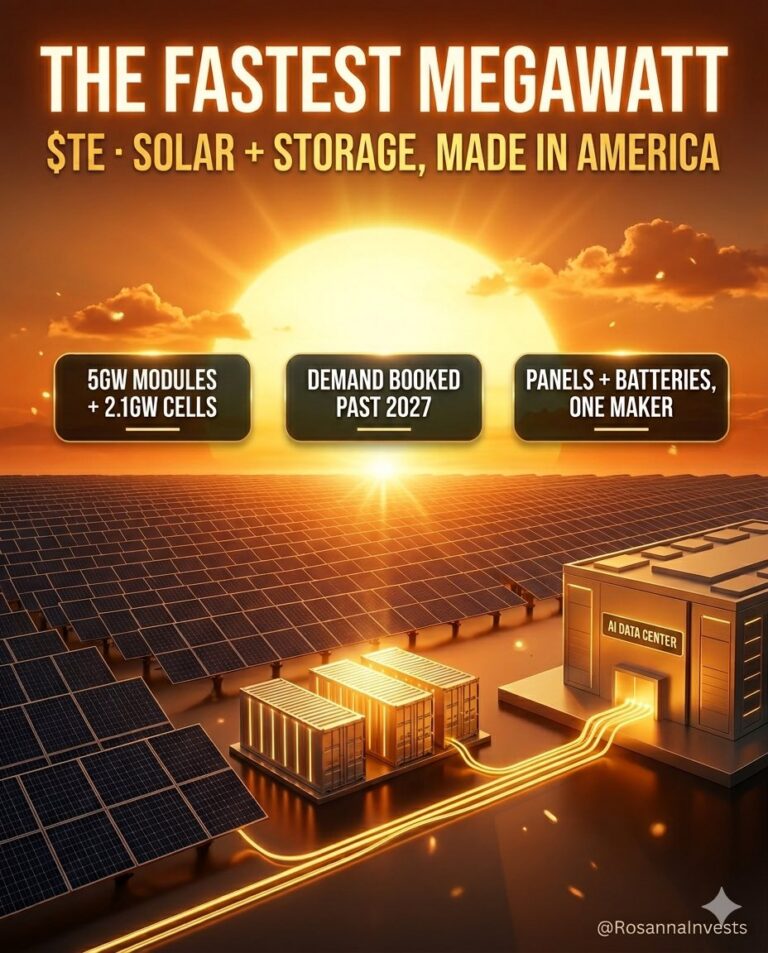
That is why power-rich operators matter. A company with electricity, land, interconnection rights, and a functioning data-center shell can be more valuable than a company with a larger theoretical campus that will not energize for years. In this market, time to revenue is part of the asset.
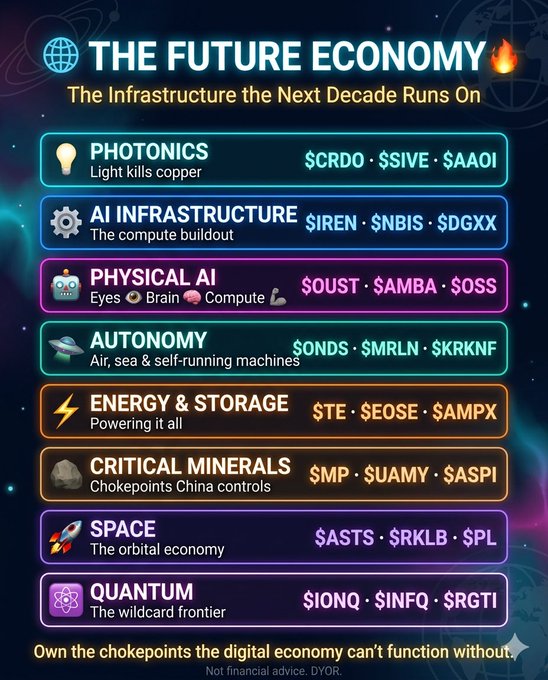
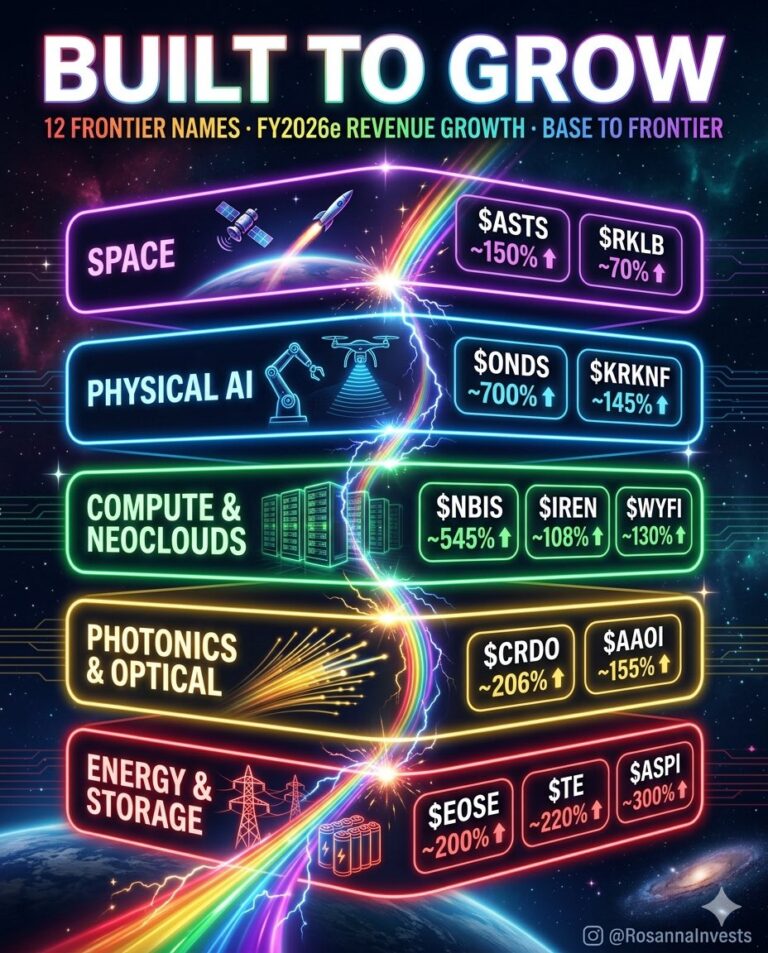
The opportunity set therefore stretches beyond chip designers. IREN and other former miners are monetizing power they secured before AI demand made it scarce. NBIS represents a different end of the stack: contracted compute and customer relationships. CIFR, EOSE, and other infrastructure names offer additional ways to express the same theme, with very different execution and financing risks.
The investment question is not simply who spends the most. It is who converts spending into contracted revenue without destroying shareholder value through dilution, expensive debt, or stranded capacity.
The winners will be the operators that control a scarce input and can prove that input is already connected to demand. In an AI cycle measured in megawatts, speed and capital discipline may matter more than the loudest growth forecast.