Trimmed Mean Inflation Gives the Fed More Room to Cut
The Federal Reserve is getting a cleaner signal on inflation than the headline debate suggests. Kevin Warsh has indicated a preference for trimmed-mean measures over core PCE alone, and that matters because the trimmed mean strips out the most extreme monthly price moves.
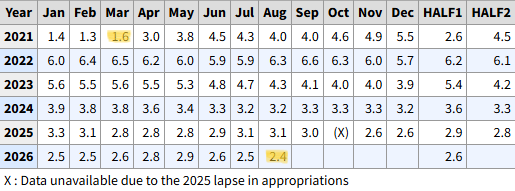
The practical takeaway is not that inflation has disappeared. It is that the Fed may be looking at a trend that is running below core. The Dallas Fed’s trimmed-mean PCE was 2.3% in April, compared with 3.3% for core PCE. When the measure designed to reduce noise is consistently lower, the policy conversation changes.
That gap gives policymakers more room to lower rates if growth or labor-market conditions weaken. It also explains why a single stubborn category can make the standard core reading look hotter than the broader underlying trend. The risk is that trimmed measures can understate a renewed broad-based acceleration, so the signal still needs to be watched alongside wages, services, and expectations.
The thesis is simple: if the Fed prioritizes the cleaner measure and it continues to run below core, the hurdle for further rate cuts is lower than the headline inflation debate implies.